Portion Control: The Secret To Eating Whatever You Want And Losing Weight
In a world where calorie deficit seems like the answer, portion control comes as the great alternative

You’ve probably heard people say that eating less and exercising more is the “secret” to losing weight. But do you know why? Simply put: it all boils down to a calculation in your brain called the energy balance equation. This equation is responsible for balancing how many calories you burn with how many calories you consume. When you consume more calories than you burn, stored fat will be released from storage and burned for energy. In simple terms, about 3,500 additional calories of energy stored in your body are equivalent to a pound of body fat.
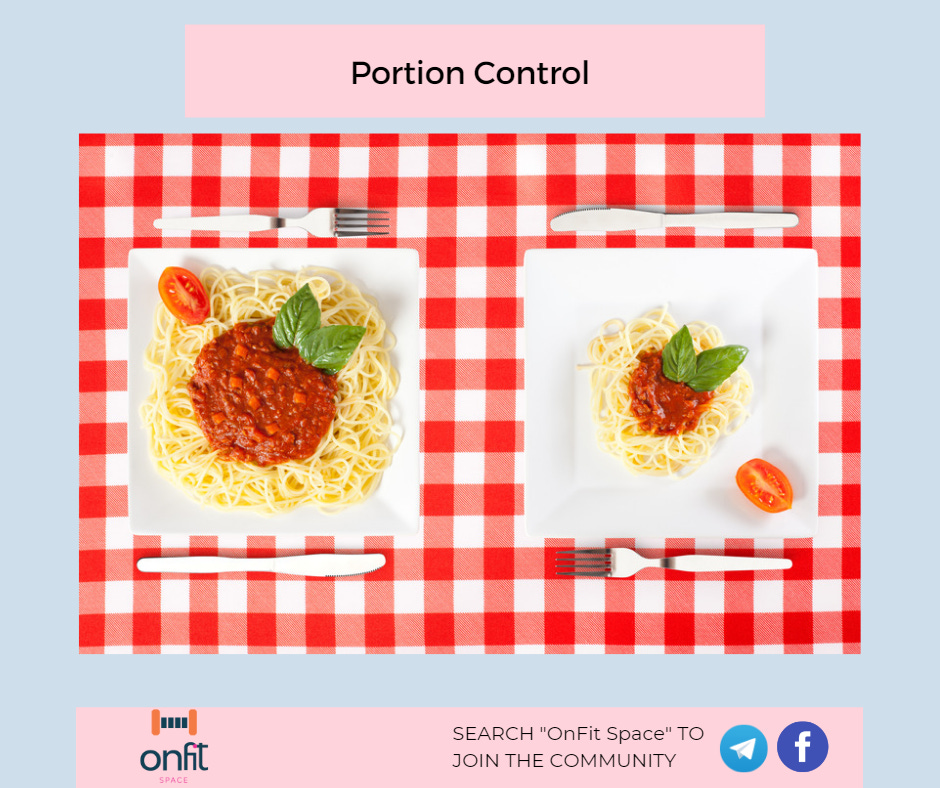
The calorie deficit is the key to weight loss. It means eating less than your body needs to maintain its current weight. If you eat the same amount of calories as you burn, you won't lose weight. If you eat more than your body burns, you'll gain weight. So if you want to lose weight, the best way to do it is by cutting back on what you eat and increasing how much you move.
If maintaining a calorie deficit seems too hard, or even impossible, then there's one more thing that can help: portion control. You don't have to give up all of your favourite foods. In fact, that's the whole point of portion control — eat whatever it is you want and still lose weight!
The first step is to measure your portions. This might seem counter-intuitive, especially if you're trying to lose weight, but it's actually the single most important thing you can do in order to achieve a calorie deficit.
If you're having trouble losing weight, chances are it's because you're eating more than you think. Most people eat much more than they need to and don't realize it until they start measuring their portions. It sounds obvious but it's an incredibly powerful concept – measure your portions and lose weight.
Why Does Portion Control Matter?
When you're first getting started in your weight loss journey, it's easy to get caught up in the excitement of eating less or counting calories. But here's the thing: if you don't control your portions, you won't get very far.
Why is this? Well, for starters, if you eat more than you need at any one time, your body will convert some of those calories into stored fat rather than burning them off as energy. Eating too much at once can also mess with your appetite levels, causing you to overeat later on in the day or even binge eat when you finally get hungry again. And finally, if you eat too much at once, it's all too easy to forget how much you've eaten altogether — which means that you'll probably end up eating
Tune in to your body and you'll find that you're rarely hungry between meals. If you believe in the portion control theory, it doesn't make sense to scarf down a bag of chips or a box of cookies if your body isn't telling you that it's hungry. You'll end up eating more calories than your body needs, which will lead to weight gain.
Your weight loss efforts can be thwarted by eating too much in one sitting. Instead of thinking about portion control as depriving yourself of your favourite foods, think about it as learning how to listen to your body so that you don't eat more than it really wants. With a little practice, you'll be able to tell when you're full before overeating.
But how can you tell if your portions are too big or small? What exactly should they be? And how much should you eat?
Portion control is all about eating less without trying harder. There are two tricks that make it easier:
1) Serve Yourself in Portions
2) Use Smaller Plates
A good way to understand what portion sizes mean is to get familiar with standard measuring cups and spoons. Here are some examples:
1 tablespoon = 1/2 ounce
1 cup = 8 ounces
1 ounce (dry) = 2 tablespoons
2 cups = 1 pint
300 calories= 1 pound
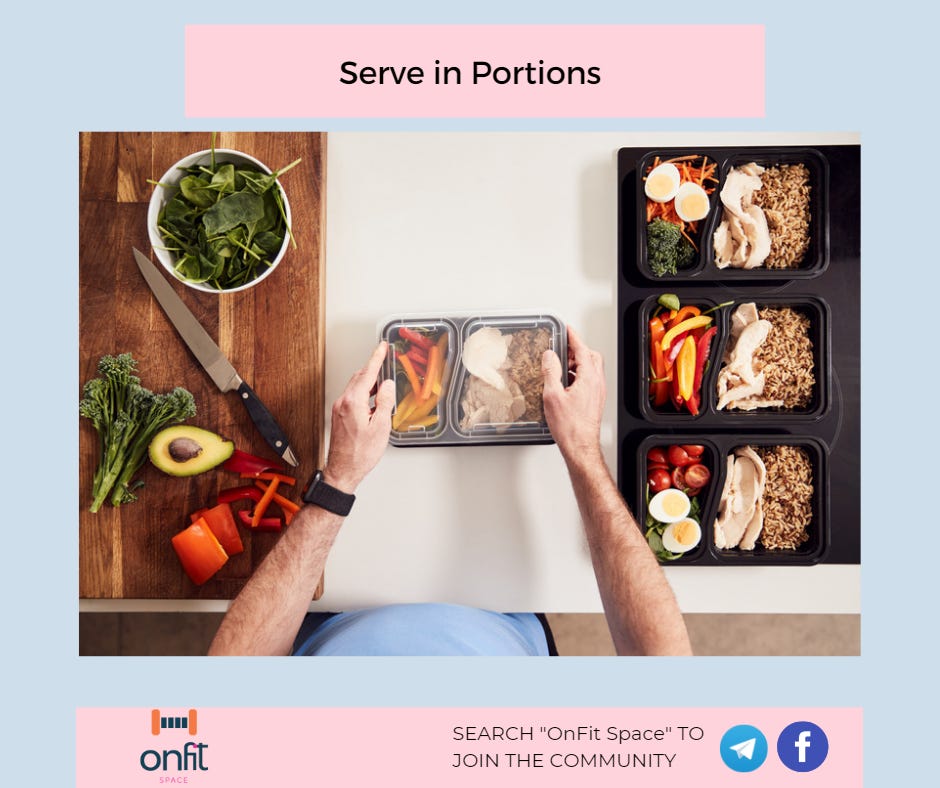
It's easy to underestimate serving sizes from a full bowl or pan, so why not just put smaller portions on a plate? Then there will be no doubt about how much you're eating. The best part: if you take a small plate and fill it with healthy food.
While not as obvious as counting calories, measuring your portions—especially at home or away from home—can help you lose weight and maintain a healthy lifestyle.
To sum up, proper portioning can help you keep track of your daily fat and calorie intake without giving up some of your favourite foods or eating too little. Just remember that food itself isn’t to blame for weight gain. It’s about consuming the right amount for your body’s needs—and no more.